
Mailer, tuck-end or straight tuck?
The names get mixed up, but the structures differ: one is a double-wall shipping box, the other two are folding cartons that differ in where the lid sits.
Mailer: double return walls and locks
Double return walls and locking tabs offer a different folding and retention structure. A mailer may be a shipping candidate, but suitability depends on contents, board, inserts and transport testing. The style alone does not guarantee compression or drop performance.
Reverse tuck: closures on opposite faces
Upper and lower closures connect on opposite faces, with a glue tab and dust flaps. Compare access and assembly. Actual cost depends on dimensions, quantity, material, printing and processing.
Straight tuck: closures on the same face
Both closures connect on the same face, useful when planning a consistent orientation for cards or small products. Test access and stacking with the actual contents; the name does not establish strength, protection or cost.
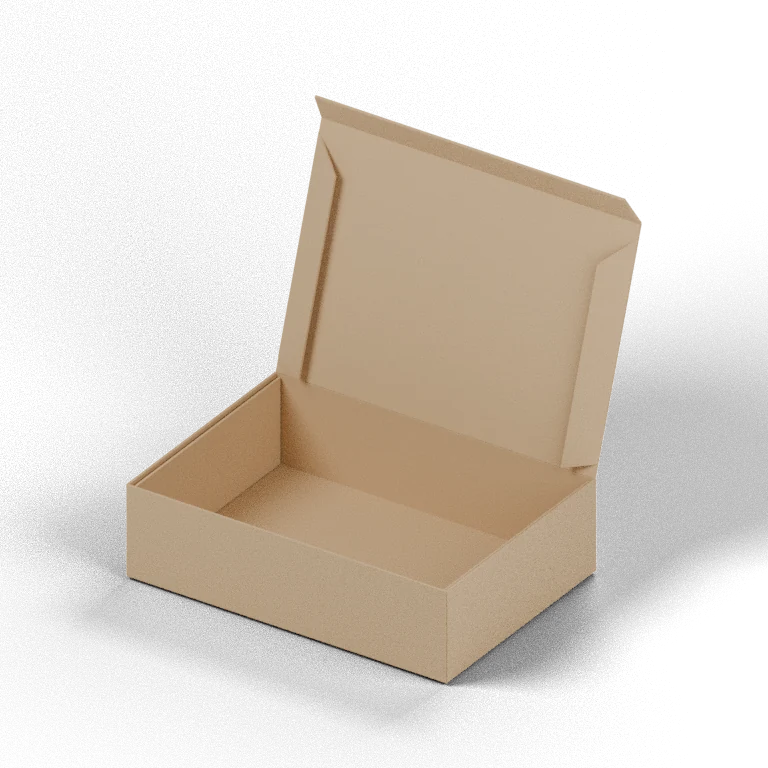
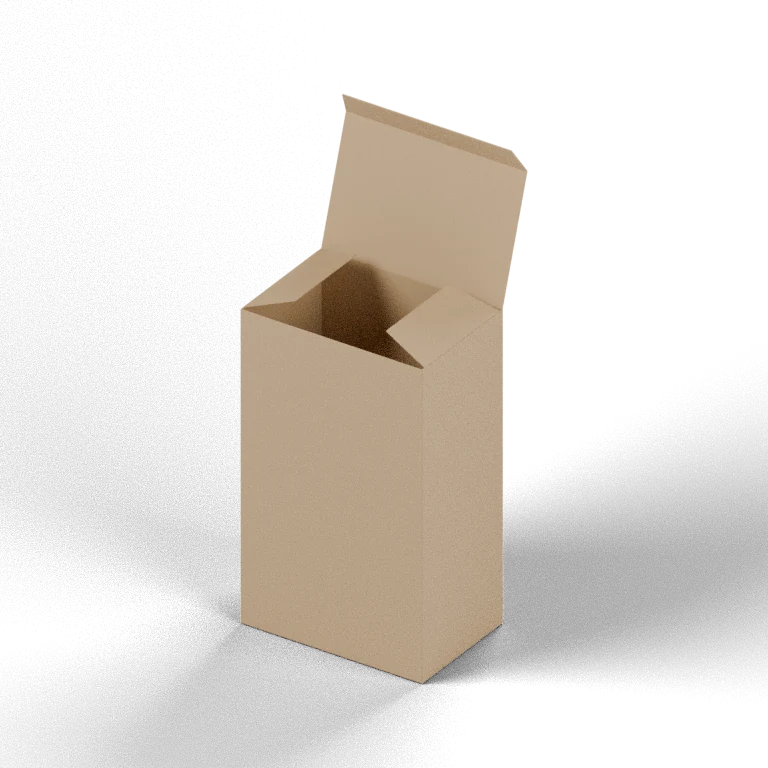
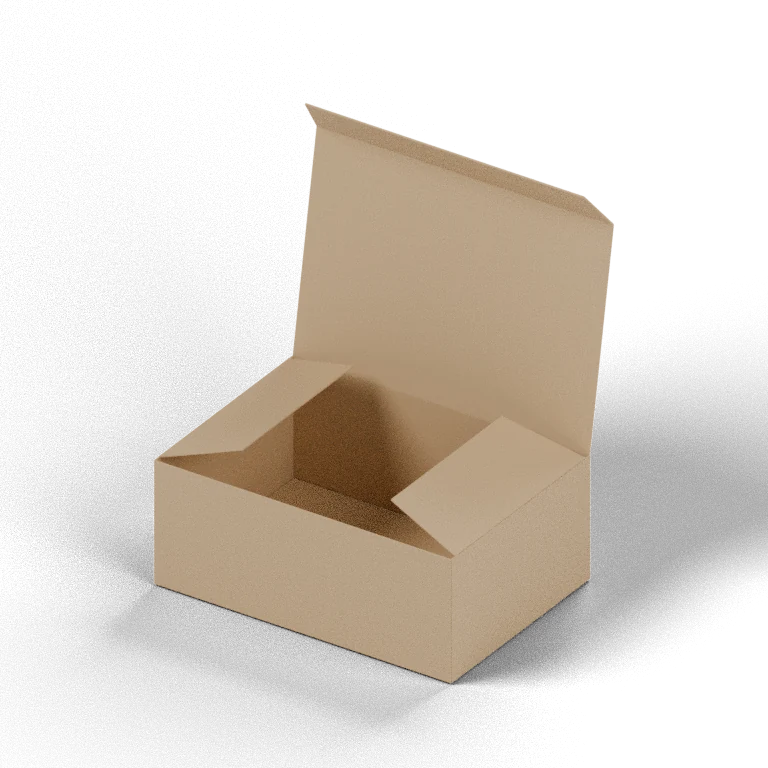
| Item | What to check |
|---|---|
| Mailer (one-piece) | Double return walls and locking tabs |
| Tuck-end carton | Upper and lower closures on opposite faces |
| Game tuck carton | Upper and lower closures on the same face |
Worked examples and tool checks
Check in the tool — L=60, W=90, H=150, T=0.5 mm
Worked examples and tool checks
L × W × H = 60 × 90 × 150 mm; T = 0.5 mm. Die face: 61 × 91 × 150 mm. Outer: 61 × 91 × 151 mm.
Practical decisions and common mistakes
Write down the use sequence before choosing a style: repeated opening by a customer, one-time assembly by staff, or shipping inside protective outer packaging. Then consider glue, inserts, seals and windows. Straight- and reverse-tuck names describe closure connections and insertion direction; they do not establish a universal price or strength ranking. Quantity, material, dimensions, sheet utilisation and processing all affect a quote.
Checks before handing off a file
Compare proposals using the same content requirements and measured caliper. Inspect sheet area, glue tabs, folding order and finished appearance, then make one blank sample of each in the same material. Record assembly time, access, closure stability and product movement. These observations are more useful than choosing from a homepage rendering alone. Transport requirements need a separate packaging and testing plan.
Export and sample checks
Open exported SVG, PDF or DXF in millimetres at 100% scale. Measure a known panel and inspect CUT/CREASE/BLEED separately. Cut an unprinted sample and check the product, inserts, tongues and lid before converter review. Diagrams explain the model; they do not include machine kerf, springback or supplier compensation.
Frequently asked questions
- What separates straight and reverse tuck?
- The main distinction is where the upper and lower closures connect and insert. Straight tuck connects both on the same face; reverse tuck uses opposite faces.
- Can every mailer ship without additional packaging?
- No. Contents, inserts, board, seals and transport conditions all affect suitability. Confirm packaging and testing for the actual use.
- Which style is always cheapest?
- None. Quantity, material, sheet area, processing, assembly and printing affect cost. Request quotes against the same requirements.
- How do I check printed scale?
- Choose Actual size or 100%, disable Fit to page and measure a known edge. If the layout exceeds the printable area, use suitable paper or tiled printing.
- Do I need a blank sample before production?
- Use the intended material to check dimensions, folds, clearance and actual contents, then confirm processing with the maker. A screen preview cannot replace a physical test.